

If you work in forensic science (or any high-stress, high-focus profession for that matter!), you’ve probably heard the same advice over and over again: find hobbies outside of work.
It sounds simple. And it is simple. But it’s also something that gets pushed aside more often than it should.
This trip to Washington, D.C. started small when Erin signed up for a puzzling competition. What we didn’t expect was for this to turn into one of the clearest real-world examples of what we talk about in mental health conversations all the time: you need things in your life that are completely unrelated to your job.
And ideally? You need things that make you forget your job even exists for a while.
This is the story of a puzzling competition, a birthday trip, a lot of walking, a little chaos, and why hobbies outside of work might be one of the most underrated tools for burnout prevention.
The Unexpected World of Competitive Puzzling
Erin started puzzling as a hobby. No grand plan, no “let’s turn this into a professional thing.” Just puzzles, quiet solitude, and something to focus on that had nothing to do with forensic science, work stress, or daily responsibility.
Eventually, she started attending puzzling competitions in Florida. Then she heard about the national puzzling competition in Washington, D.C. and thought, why not!?
Originally, the plan was simple: Erin would compete in the single-person division and Ashley would travel with her to cheer her on and watch. That was it! A weekend trip, a new experience, nothing complicated. Or so we thought…

Why Hobbies Outside of Work Actually Matter (Especially in Forensic Science)
Let’s pause here, because this is important.
In forensic science and law enforcement, we talk a lot about:
- burnout
- secondary trauma
- emotional fatigue
- cognitive overload
But one of the most practical, evidence-supported ways to counterbalance that isn’t always emphasized enough:
Hobbies that are completely unrelated to your profession.
Not adjacent. Not “professional development disguised as fun.”
Completely unrelated.
Why? Because your brain needs contrast. When everything you do is analysis, documentation, precision, problem-solving, and responsibility, your mind never fully exits that mode.
A hobby like puzzling does something different:
✅ It demands focus, but without consequence
✅ It uses strategy, but without stress
✅ It engages your brain, but in a completely different way than work
And honestly, that matters more than people realize! Erin’s puzzling hobby became a perfect example of that separation in real time.
Washington, D.C. – Entering the National Puzzling Competition
We arrived in Washington, D.C. for the national puzzling competition, not entirely sure what to expect. And within about five minutes, it was very clear: this was not casual puzzling.
Picture a huge room filled with long tables, each one surrounded by people completely locked in. It almost felt like watching a sporting event… except the athletes were sorting edge pieces at lightning speed.


And the speed? Honestly, it’s a little shocking when you attend your first puzzling competition. The top competitors weren’t just fast, they had a systematic process. You could see there was a strategy in how they moved, how they sorted, how they built sections almost effortlessly.
It was fascinating to watch!
Erin was just excited to be there. Taking it all in, enjoying the experience, and not really worrying about competing at that level.
Because not everything has to be about being the best in the room, you know? Sometimes it’s enough to just be in the room.


Competing in Doubles and Team Puzzling
There’s something about being in an environment like that.
The energy is contagious! It kind of pulls you in before you even realize it, and suddenly you start thinking…
What would it be like to actually do this?
And that’s when the trip expanded. At first, we were perfectly content sticking to the original plan – Erin competing and Ashley cheering her on. But before we knew it, we were signing up for more events.
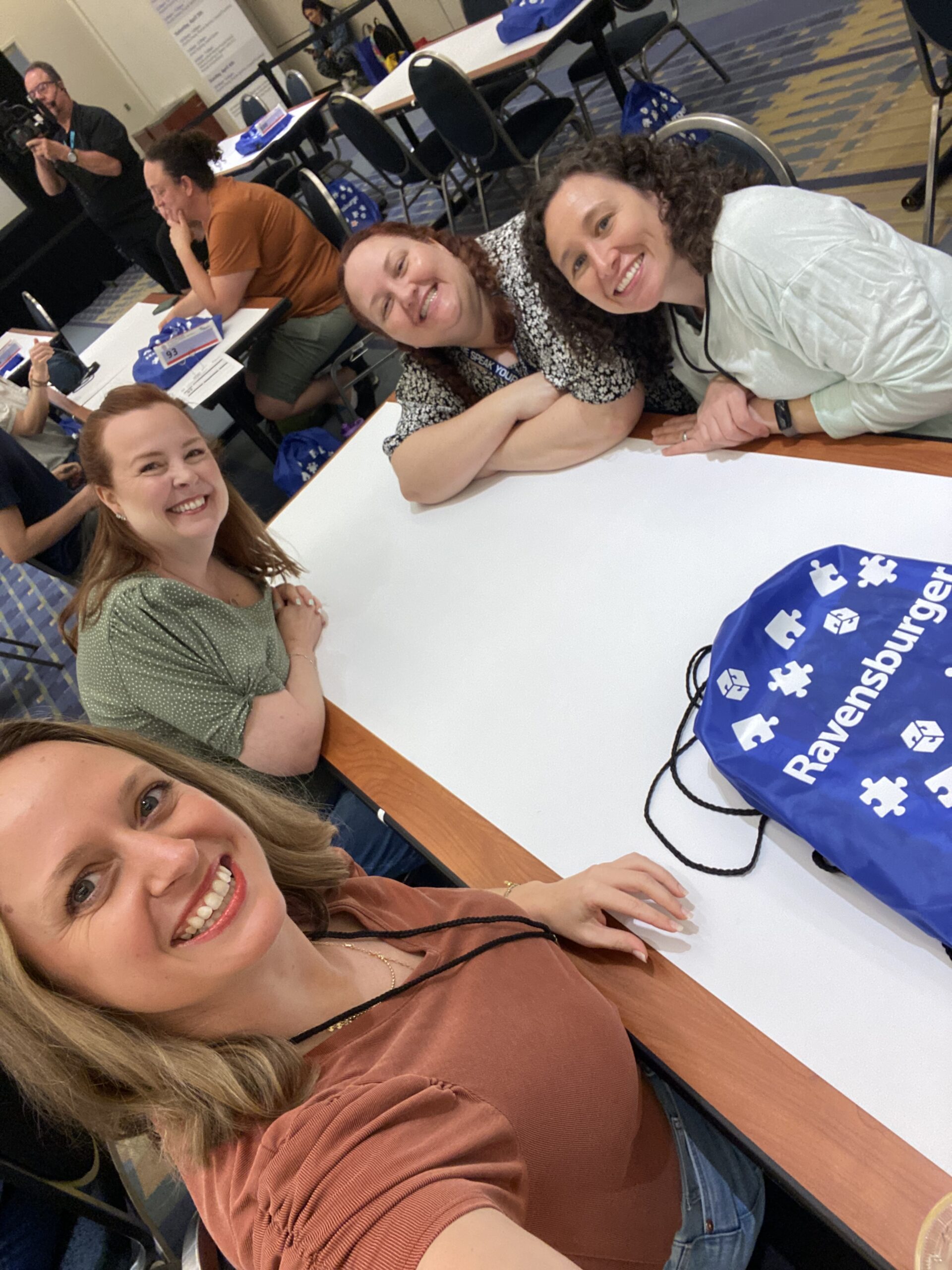
We entered the doubles division, and somehow we also found ourselves joining a four-person team with another pair of women.
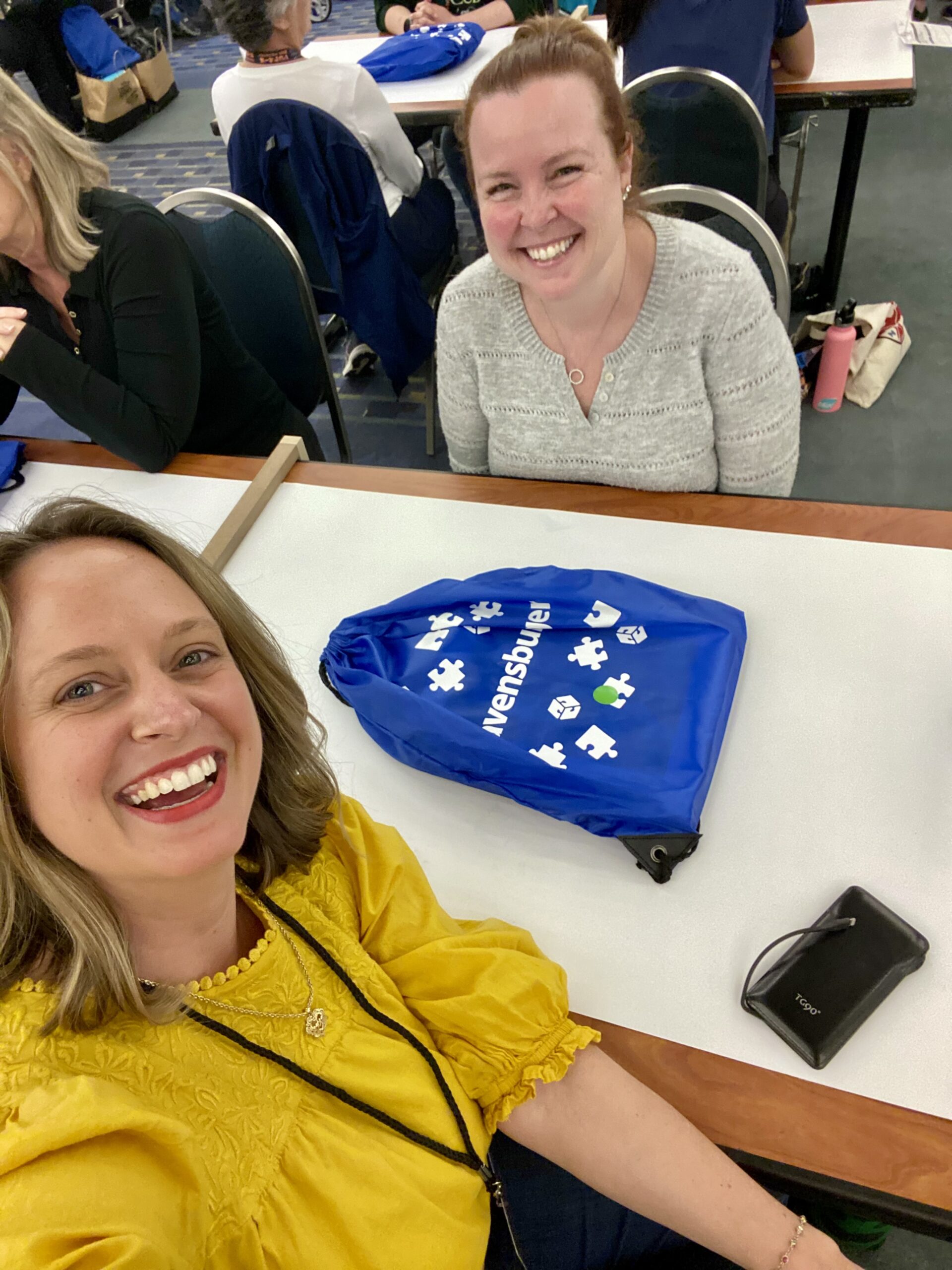
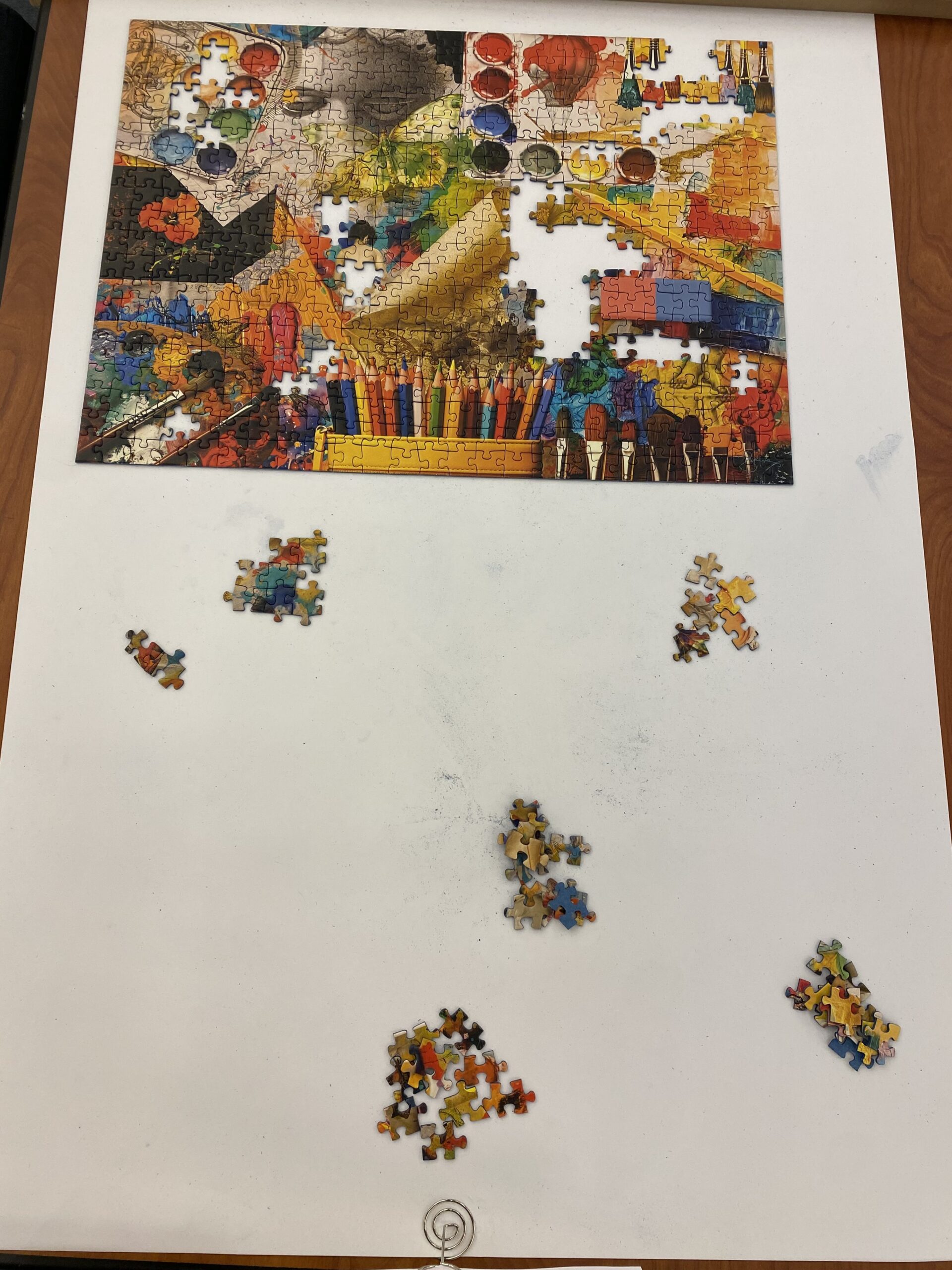
In a team or doubles division, you’re learning how the other person thinks without having time to stop and talk it through. Do they sort first or dive straight into building? Are they focused on edges, colors, patterns? Do they move quickly and adjust as they go, or take a more methodical approach?
It felt collaborative in a really natural way. A little chaotic at times, sure, but also incredibly satisfying when things started to click. There was a familiar teamwork energy we all know from high-pressure environments, just without the actual stakes attached to it.
At one point in the team division, we were down to the final seconds with just one piece missing. You could feel it at the table, everyone rechecking the same spots over and over again, trying to figure out where it could possibly be hiding.
Five seconds left, still nothing.
And then, at literally the last possible moment, Ashley spotted it. Somehow tucked underneath part of the puzzle where no one expected it to be.
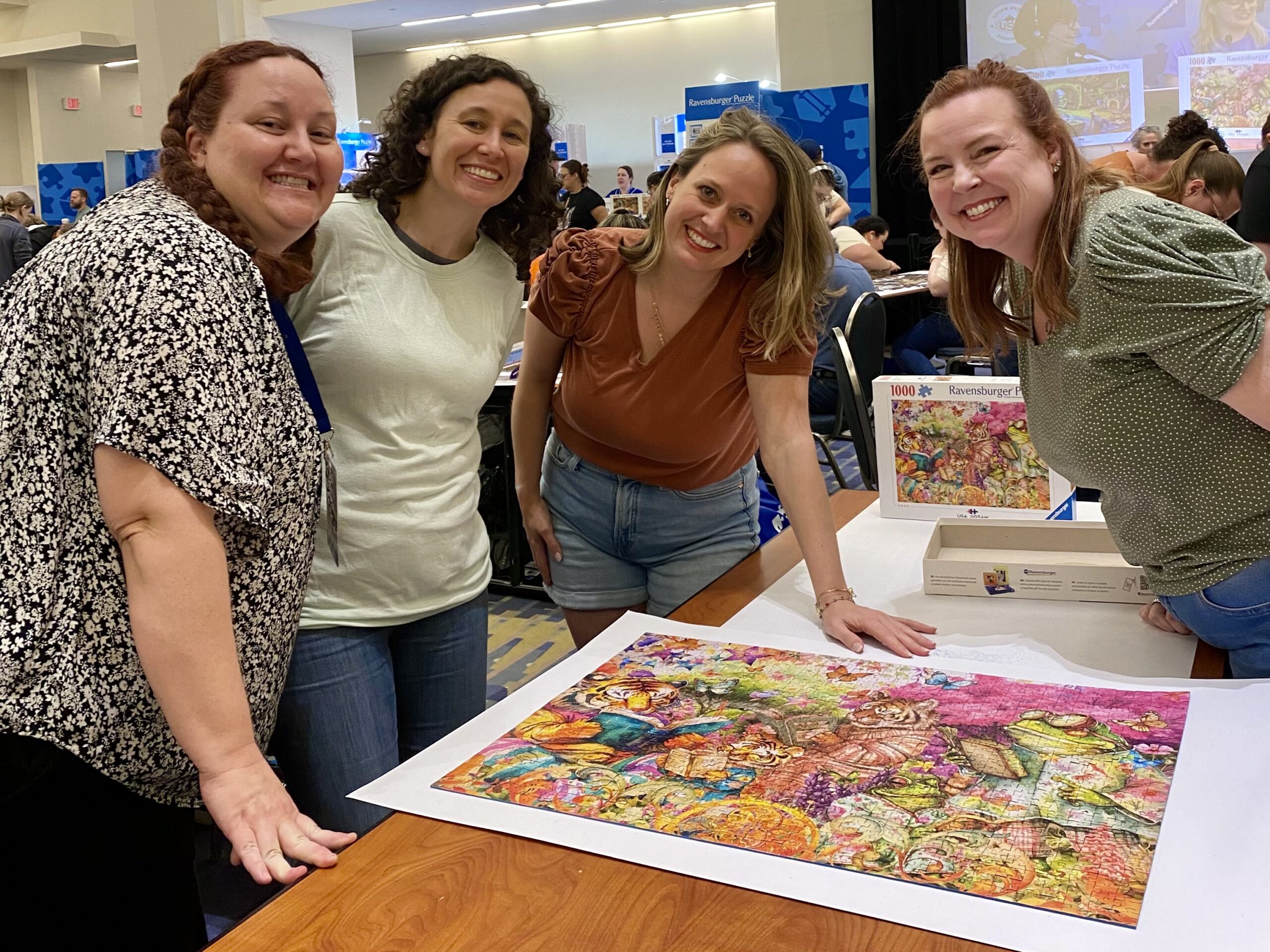
Side note: one thing nobody really warns you about going into something like this is how physical it actually is.
Hours of standing, leaning, staring down at tiny details, reaching, sorting, building… it adds up quickly. By the end of the competition, our necks and backs were definitely reminding us that we had spent a long time hunched over puzzles.
Fun? Absolutely. Comfortable? Not even a little.
But somehow, even that became part of the experience.
The Reality of High-Level Competition
We didn’t place. Not even close. The top teams were operating on a completely different level.
Watching and participating gave us a whole new appreciation for how skilled the top competitors really are. You could see it in how they immediately sorted pieces into categories, how they divided roles without needing much communication, and how they built sections with almost no wasted movement.
Everything they did had a purpose. It’s strategy layered on top of speed, and it’s impressive to watch up close.
At the same time, it reinforced something important: you don’t have to operate at that level to enjoy the experience
Exploring Washington, D.C. Beyond the Puzzling Competition
After hours of competition, focus, and intensity, we were definitely ready for a change of pace. Washington, D.C. gave us exactly that.
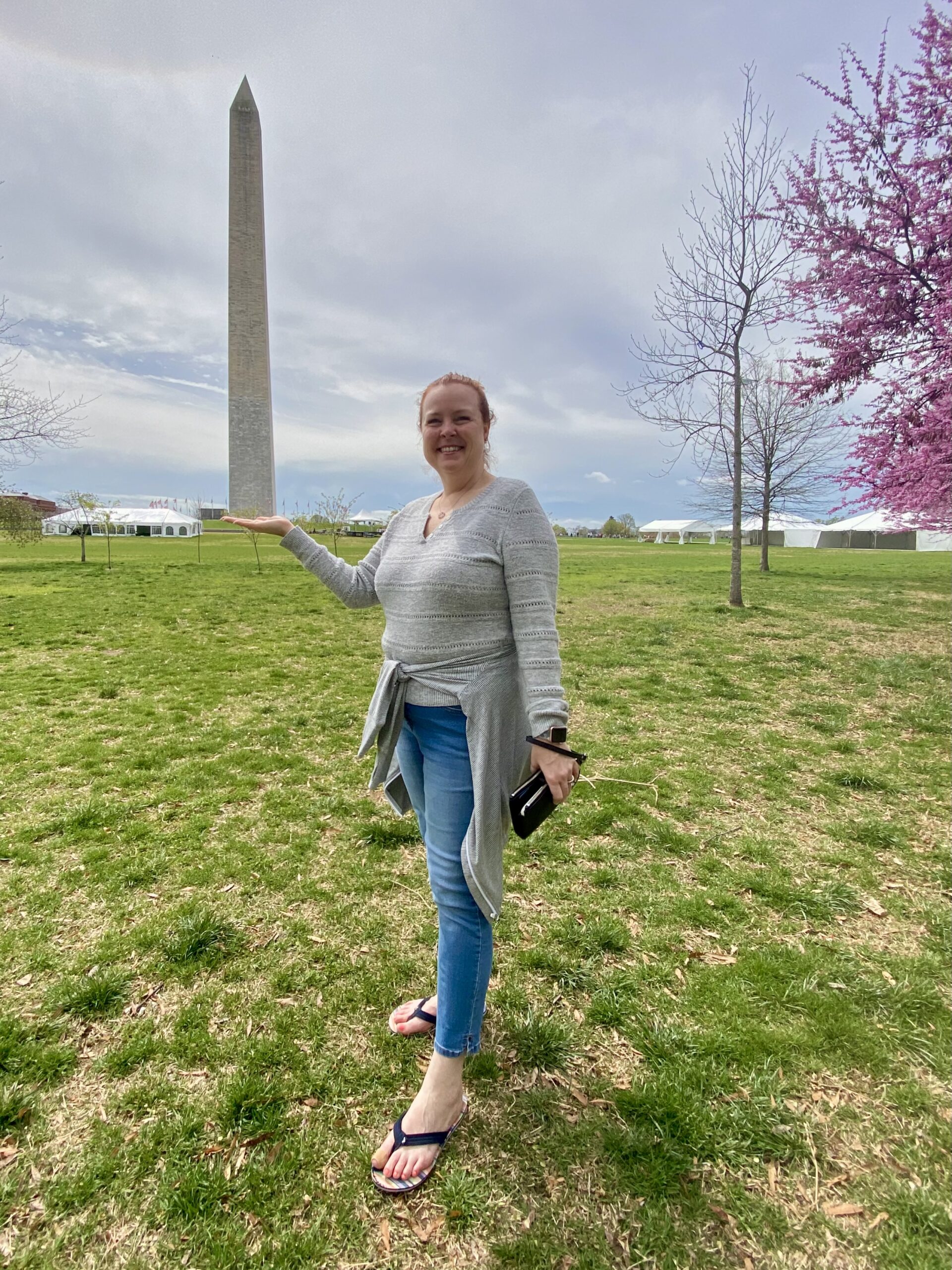
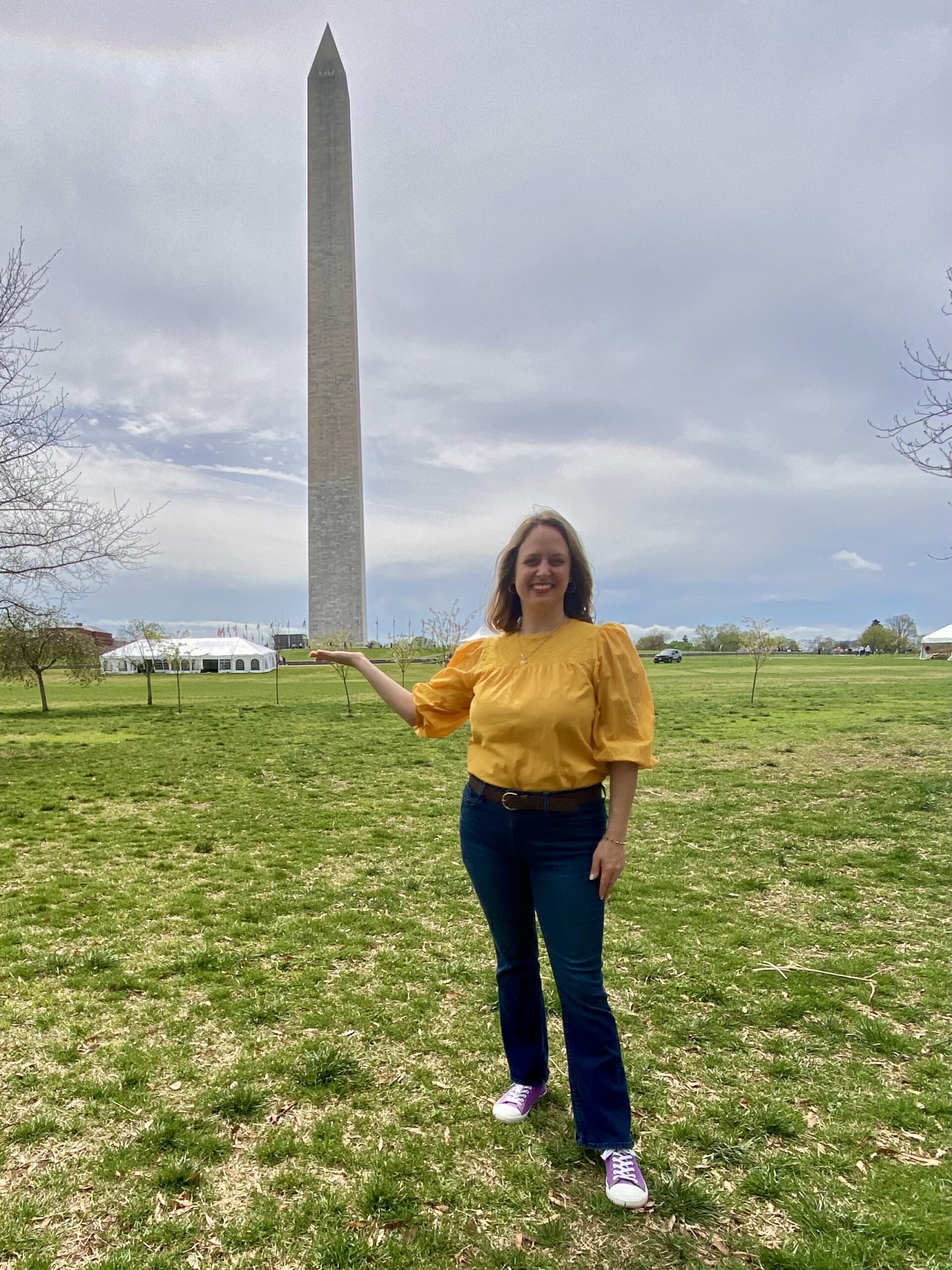
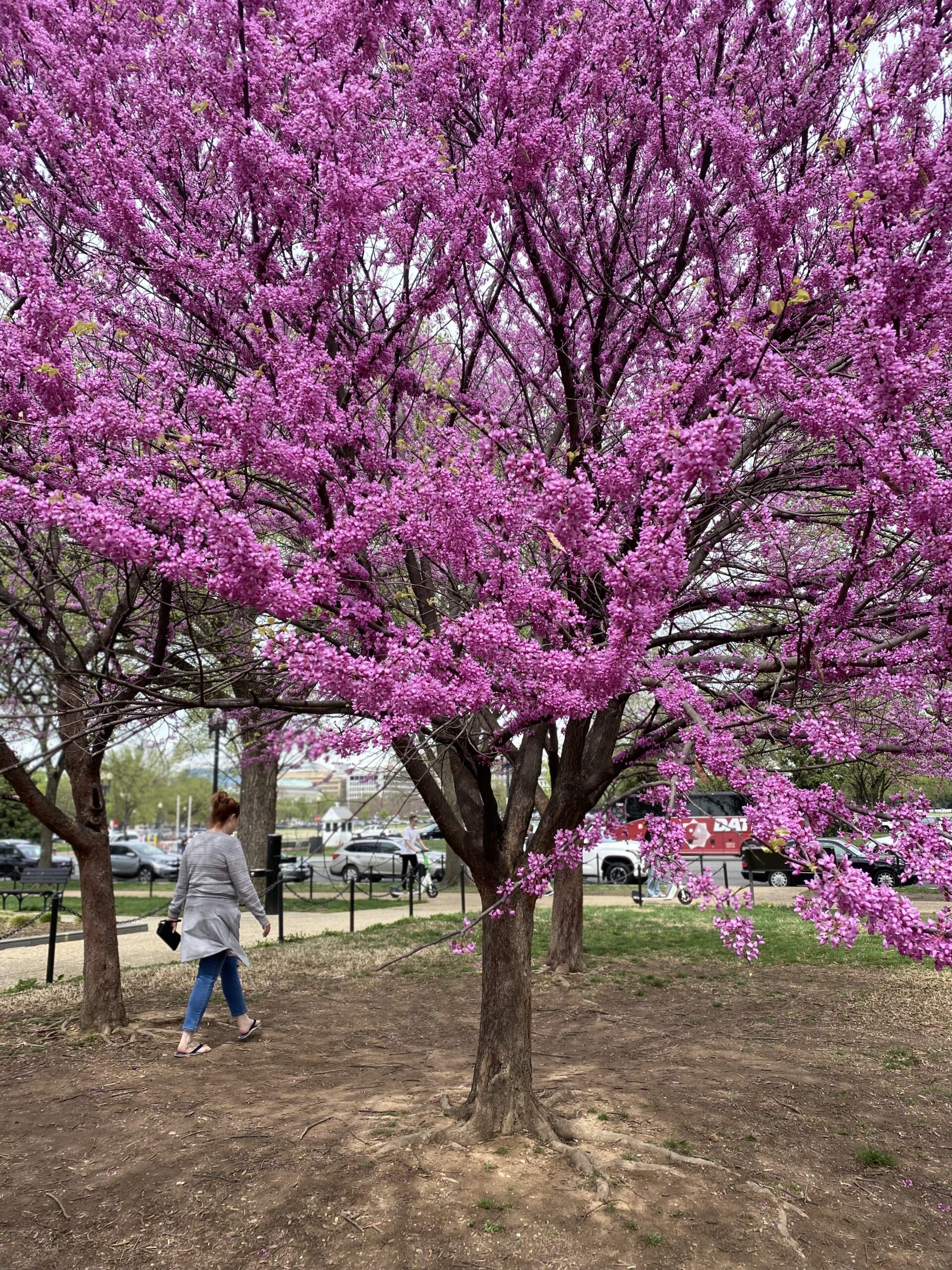
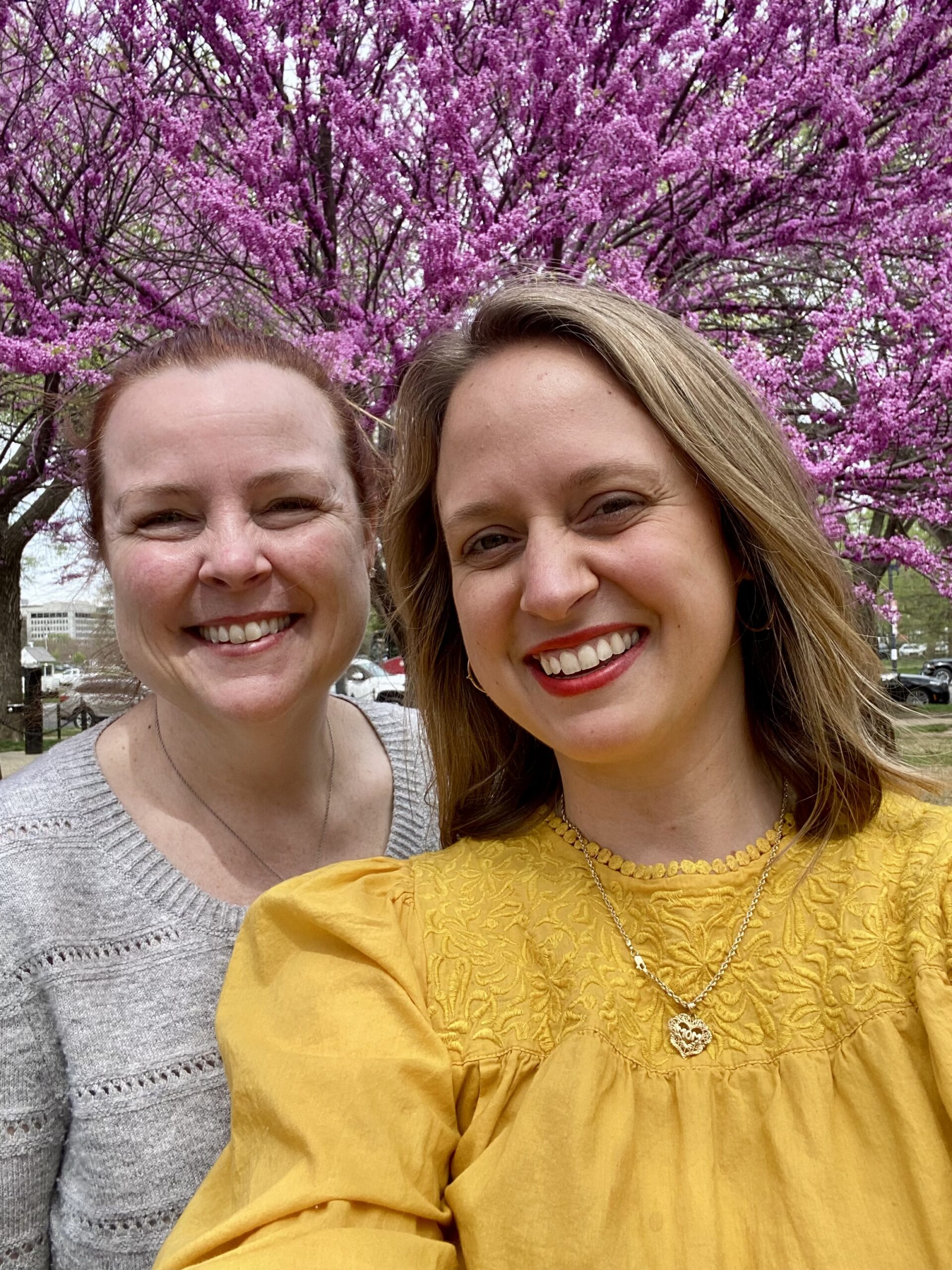
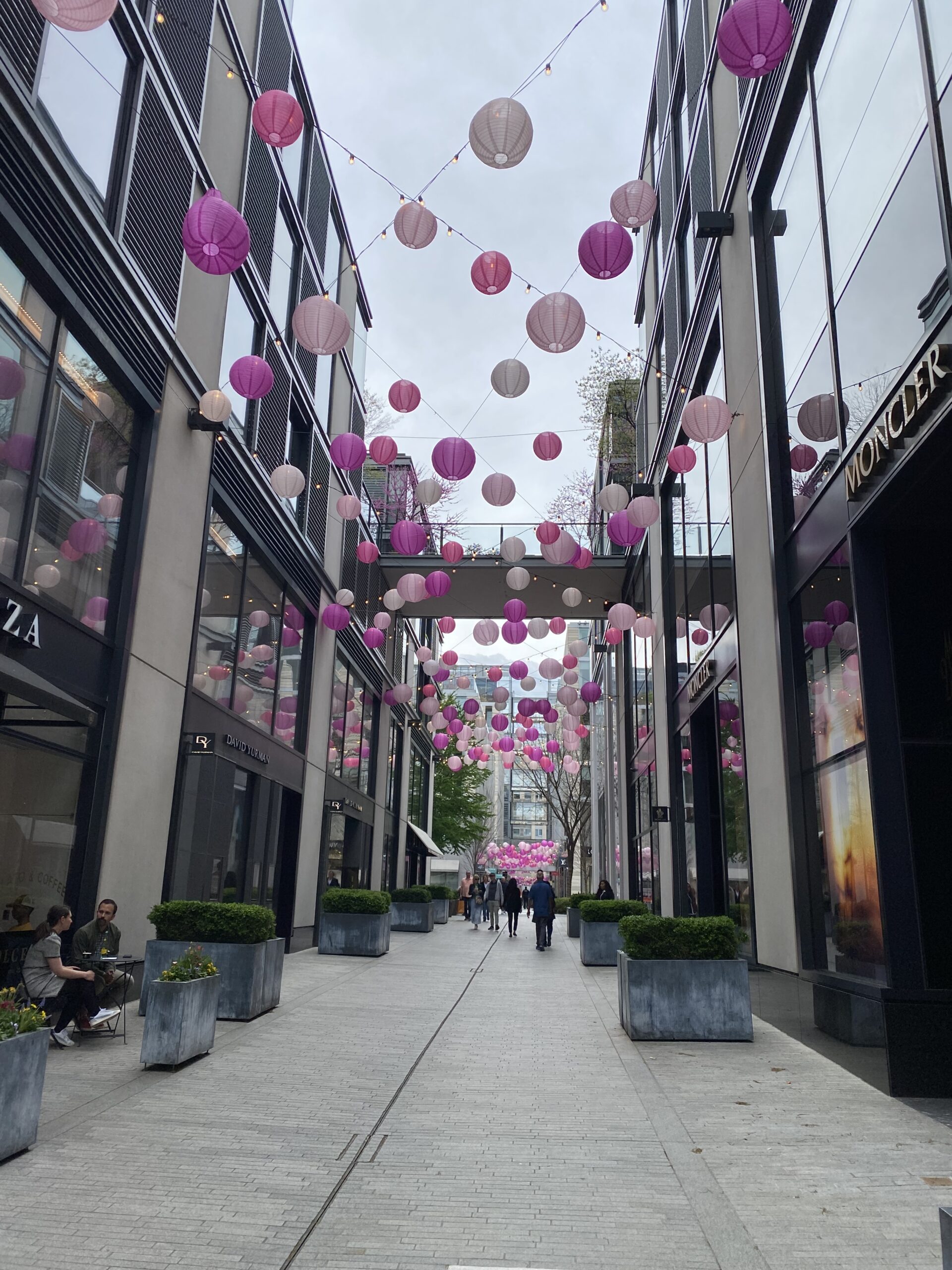
There was a Comic Con festival happening nearby, so we wandered through booths and took it all in. We were also there around Erin’s birthday, right after cherry blossom season, so we still caught a few trees in bloom as we walked around the city.
The Smithsonian Exhibit That Hits Close to Home
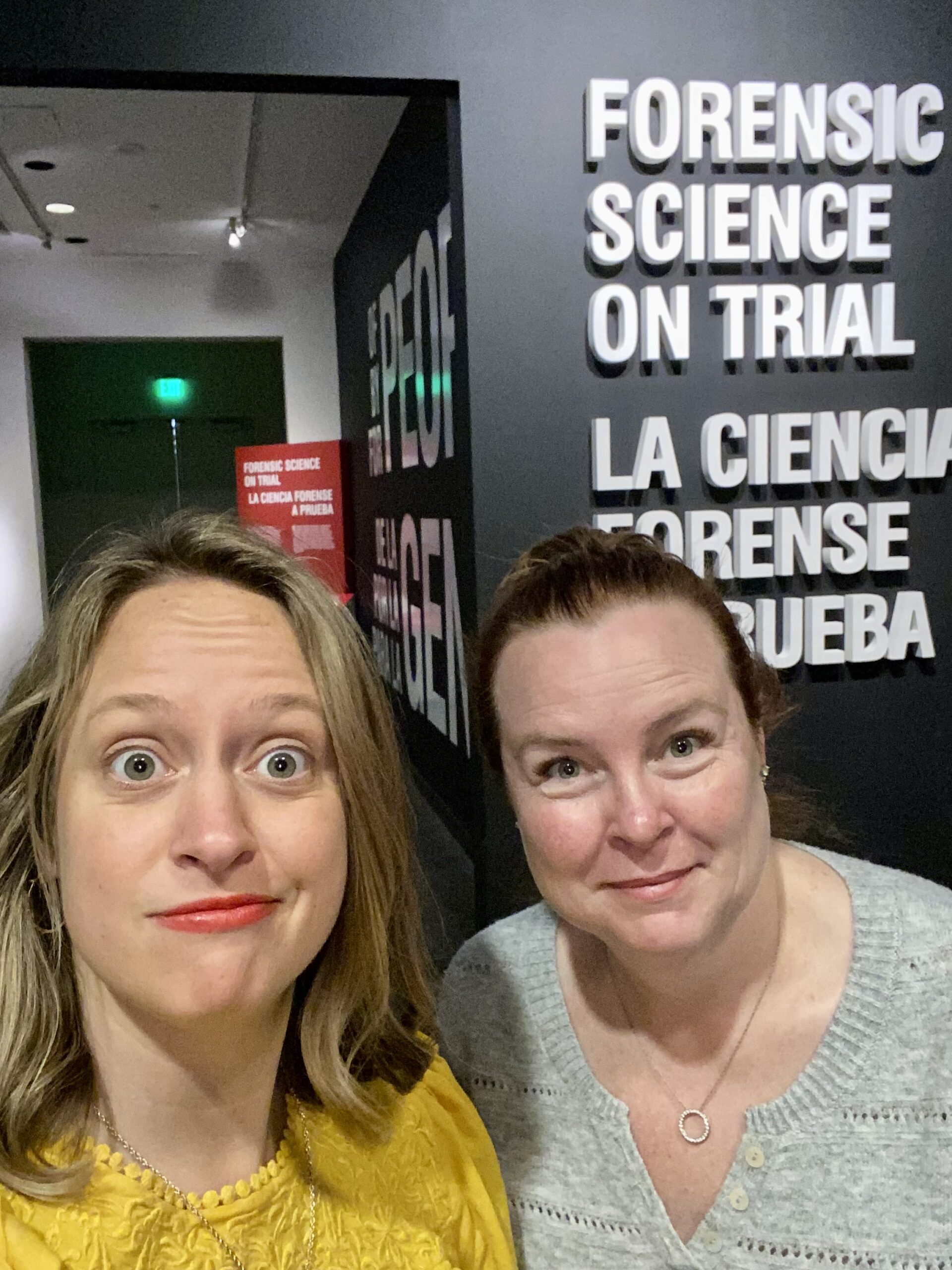
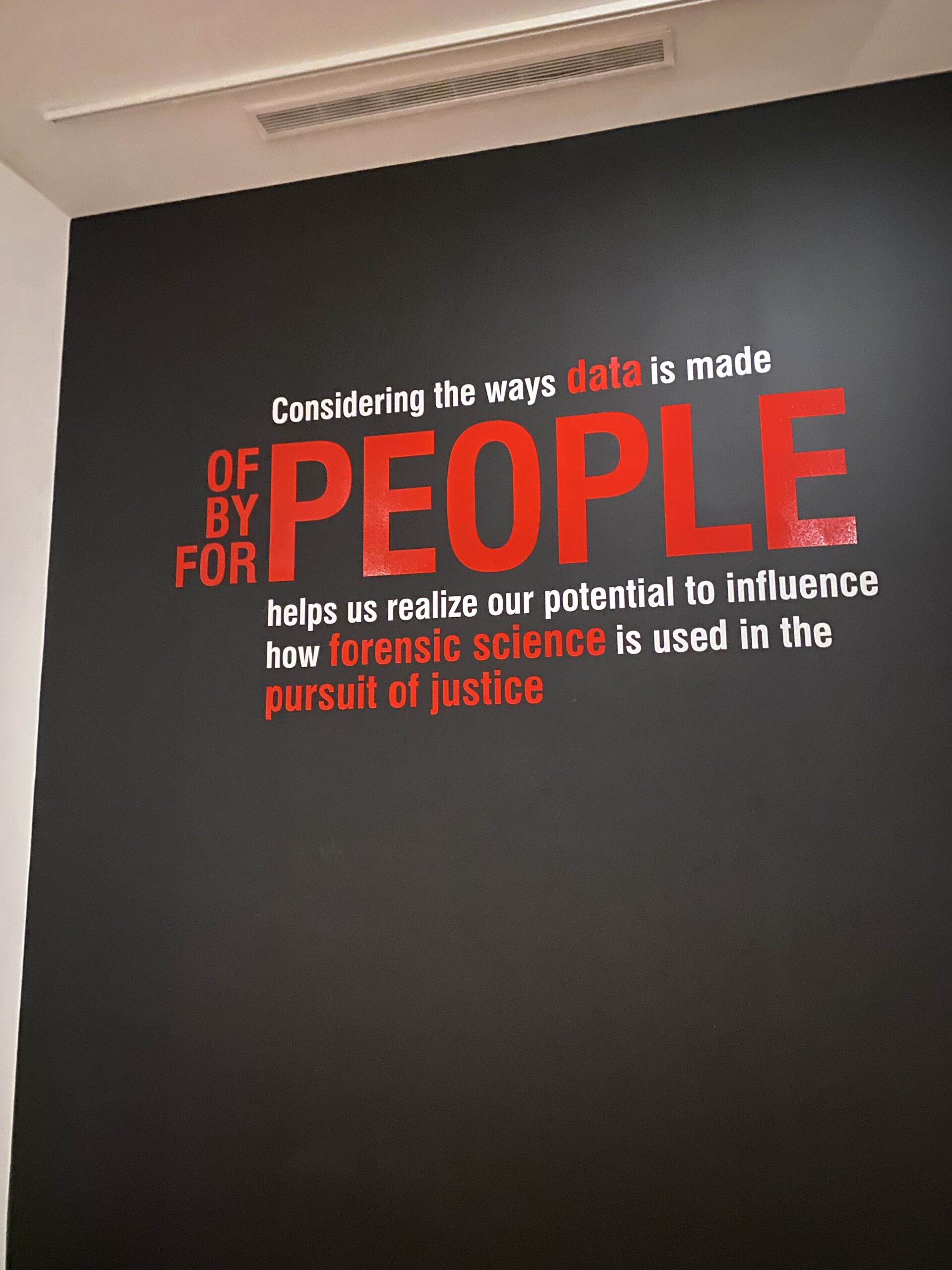
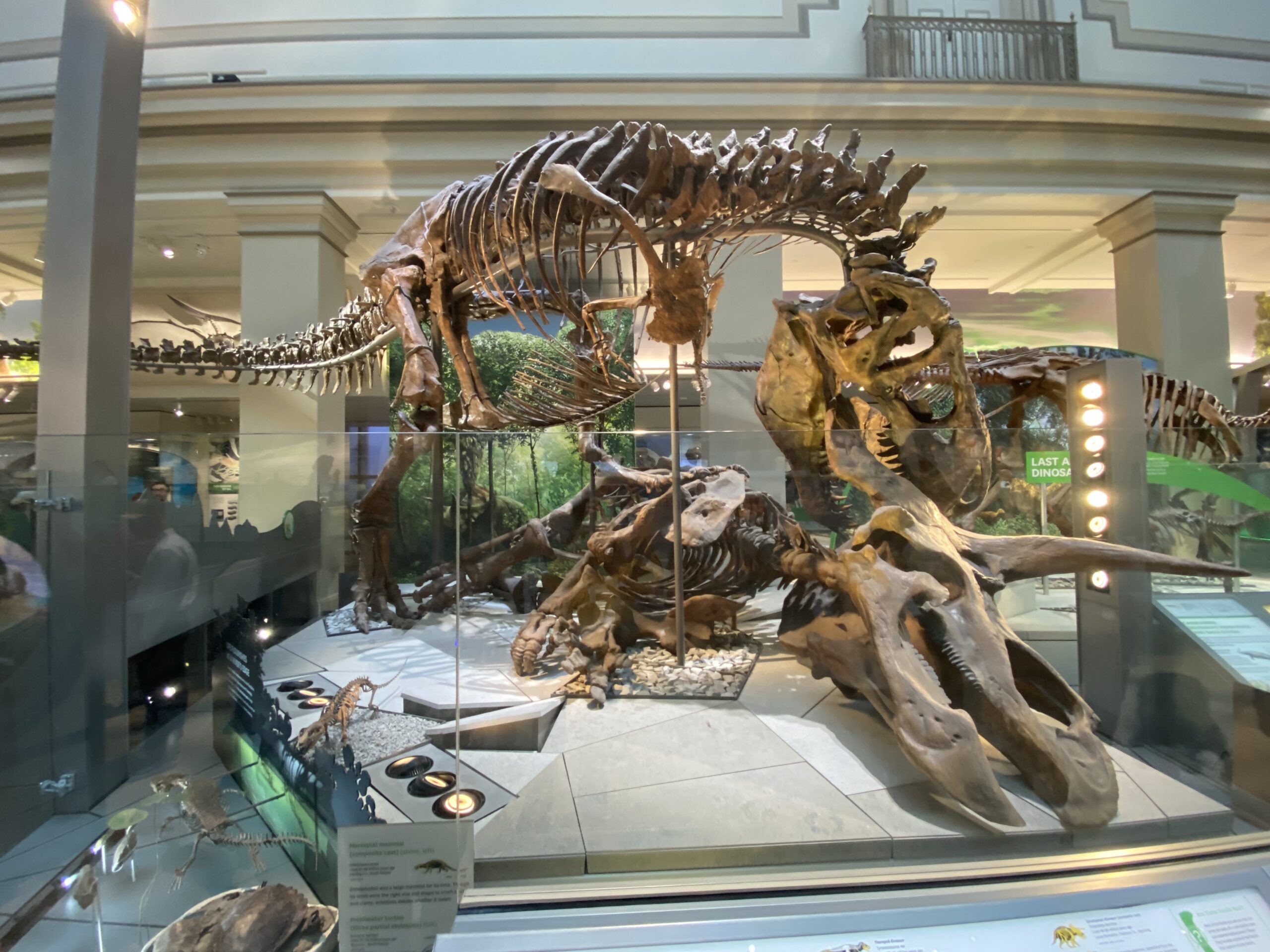
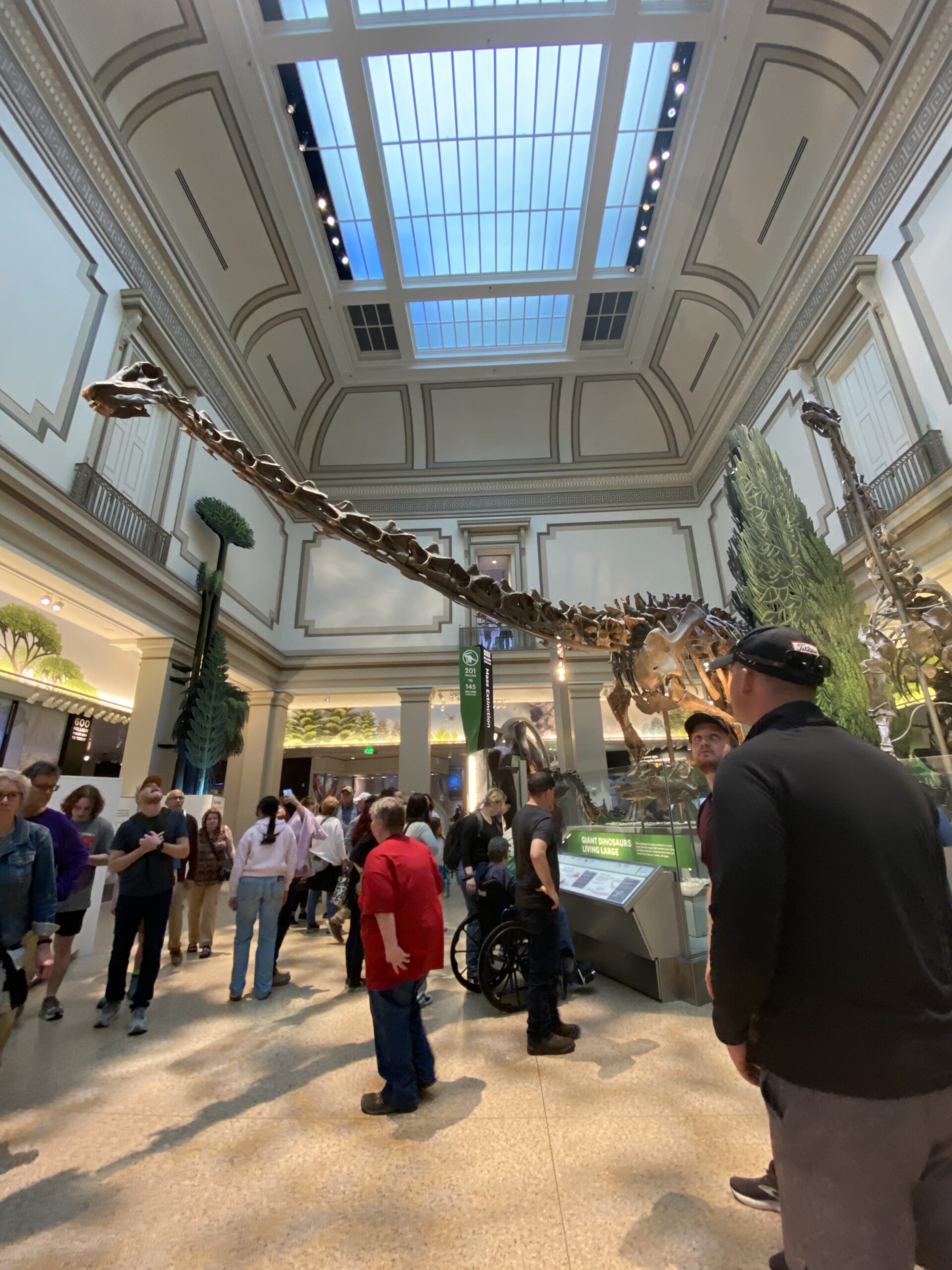
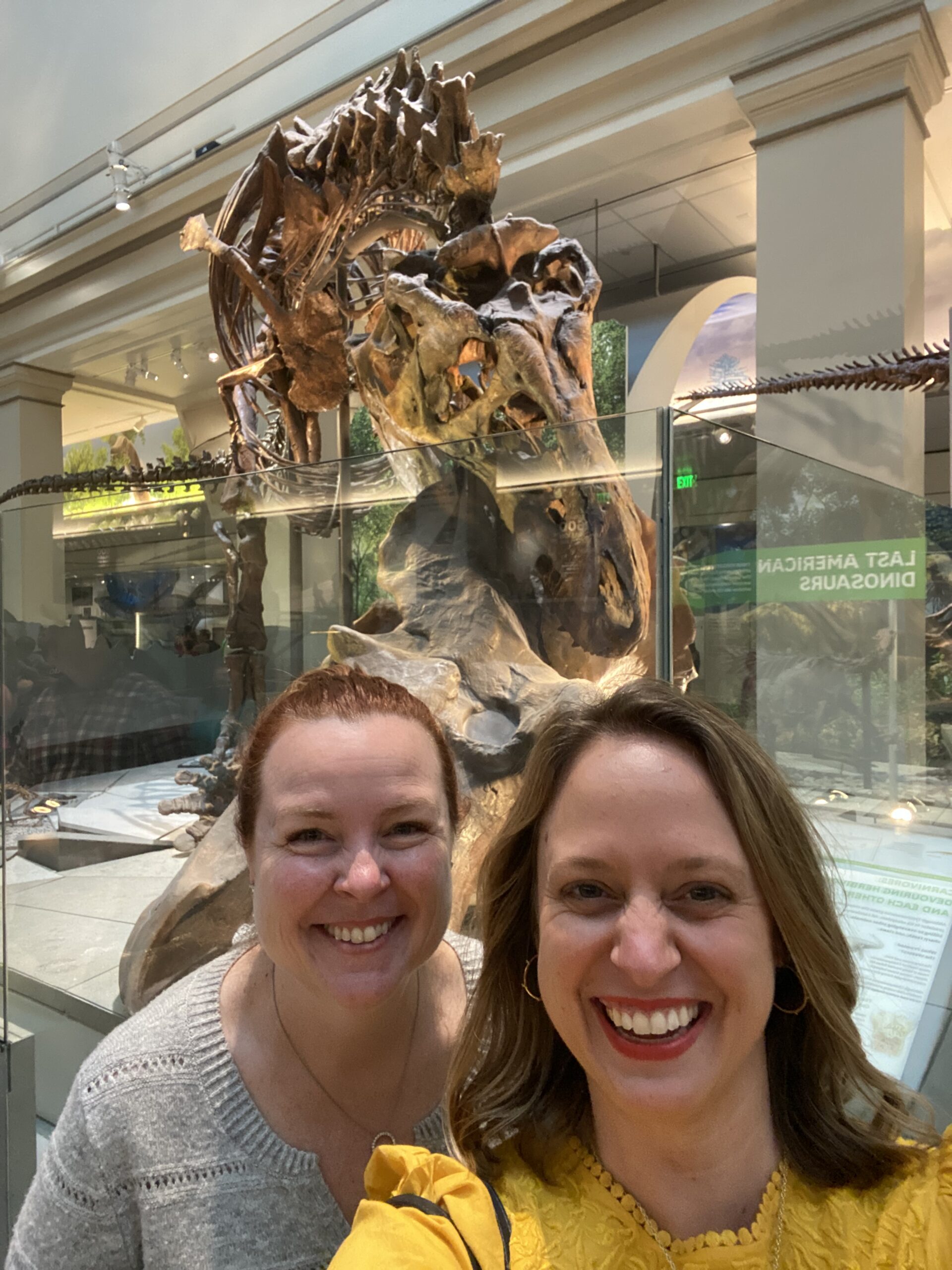
We also visited the National Museum of Natural History and spent some time in an exhibit called “Forensic Science on Trial.”
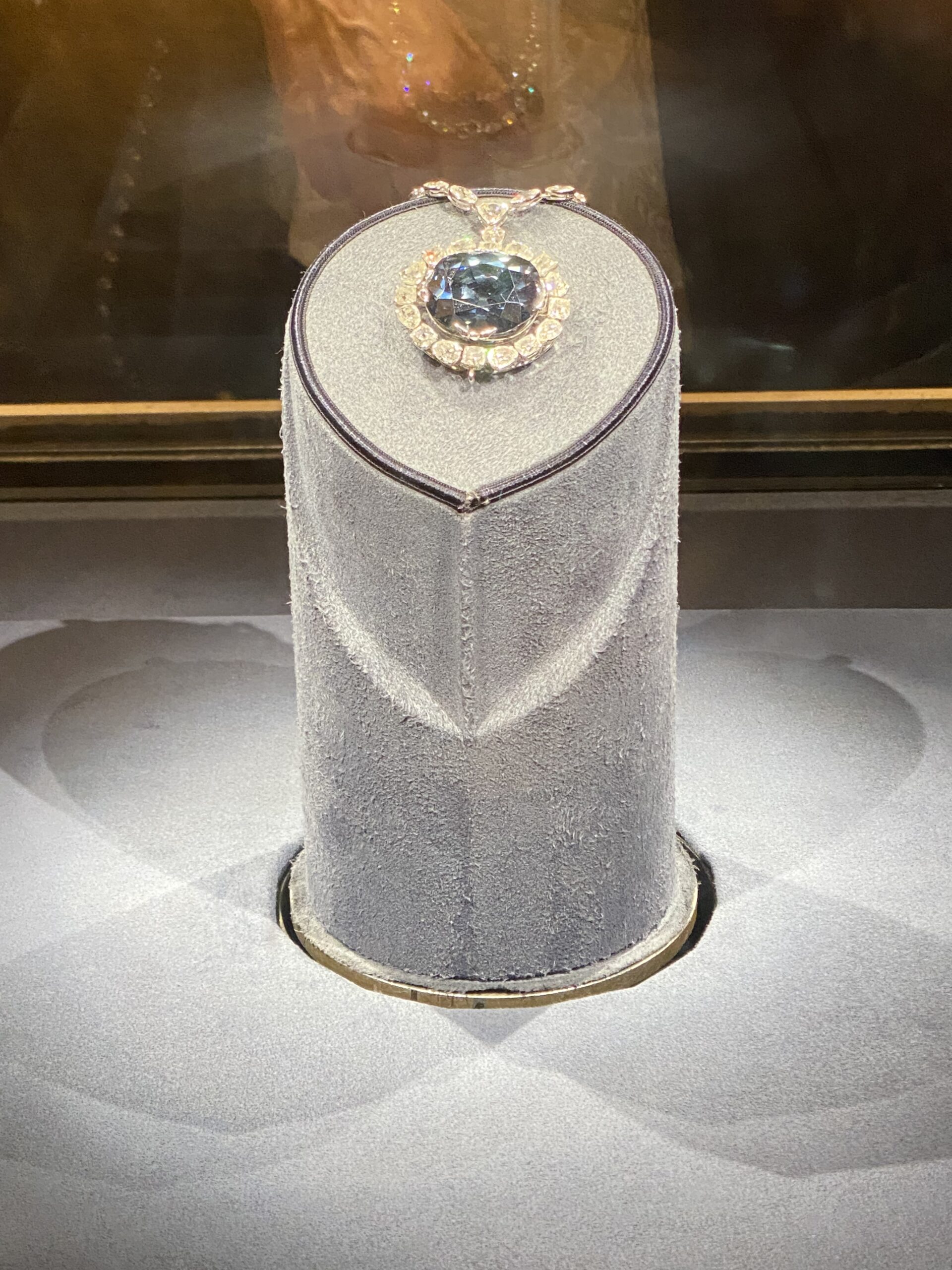
It walked through the history of forensic science in the courtroom, showing how different techniques have been used (and questioned!) over time. There were artifacts tied to real cases spanning more than a century, from early toxicology testing to some of the first polygraph instruments, all the way to more modern methods like bite mark analysis.
It’s a reminder that our field is constantly evolving. Techniques are challenged and standards shift. What’s accepted in one era may be reexamined in another.
And we don’t see that as a weakness in the field. If anything, learning through these experiences is what makes the forensic field stronger.
Tea Around Town – A Completely Different Kind of Experience
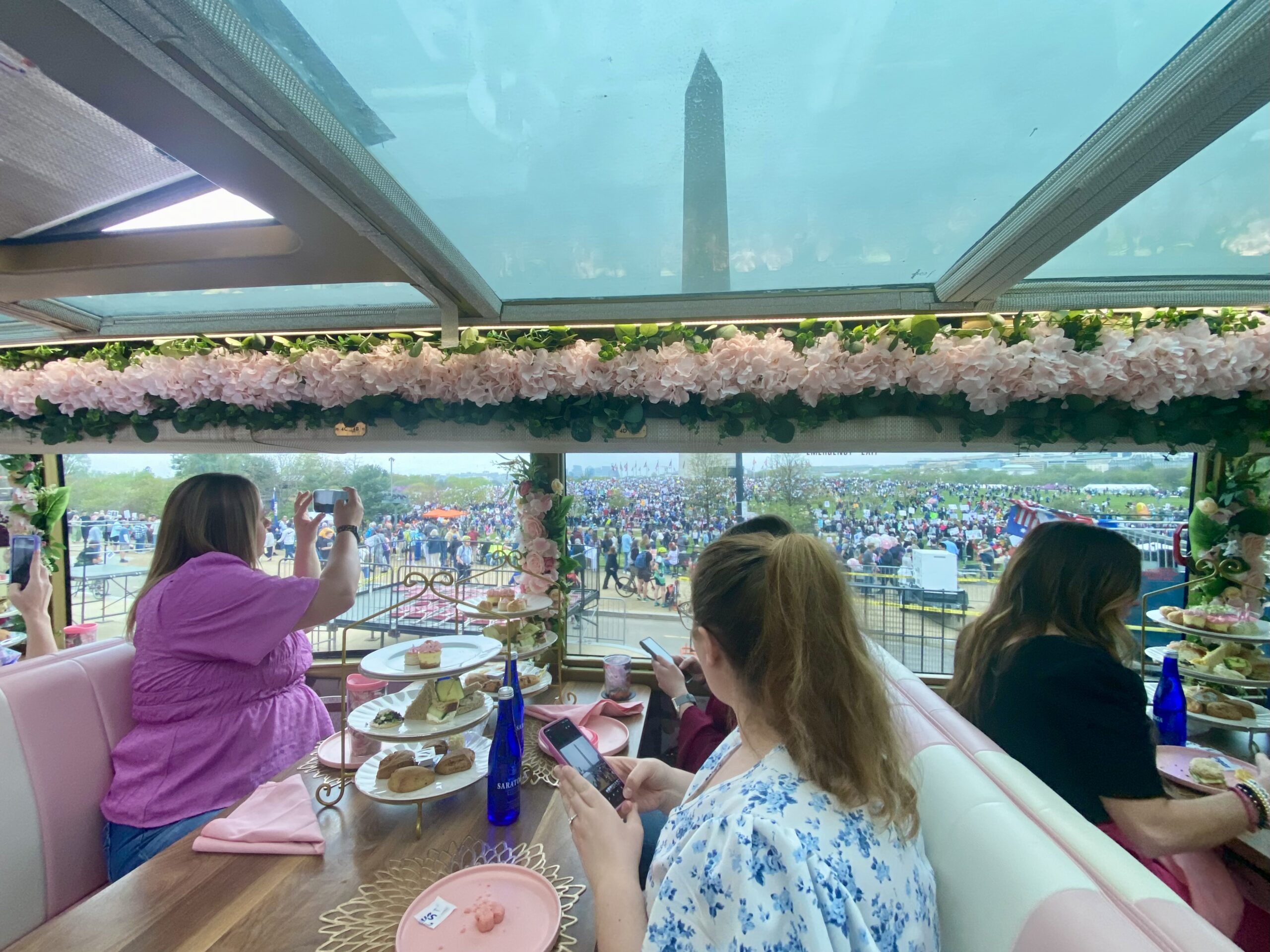
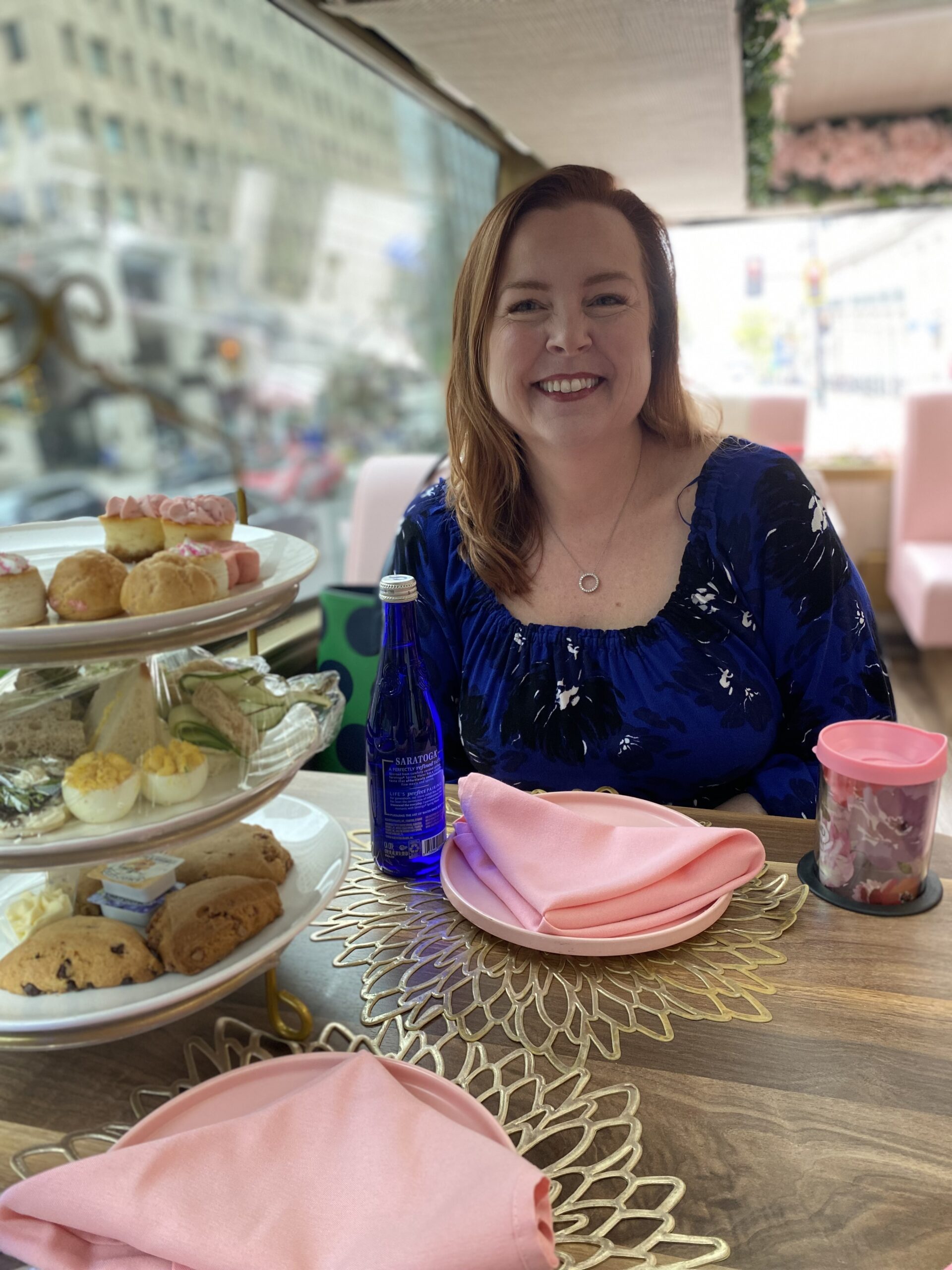
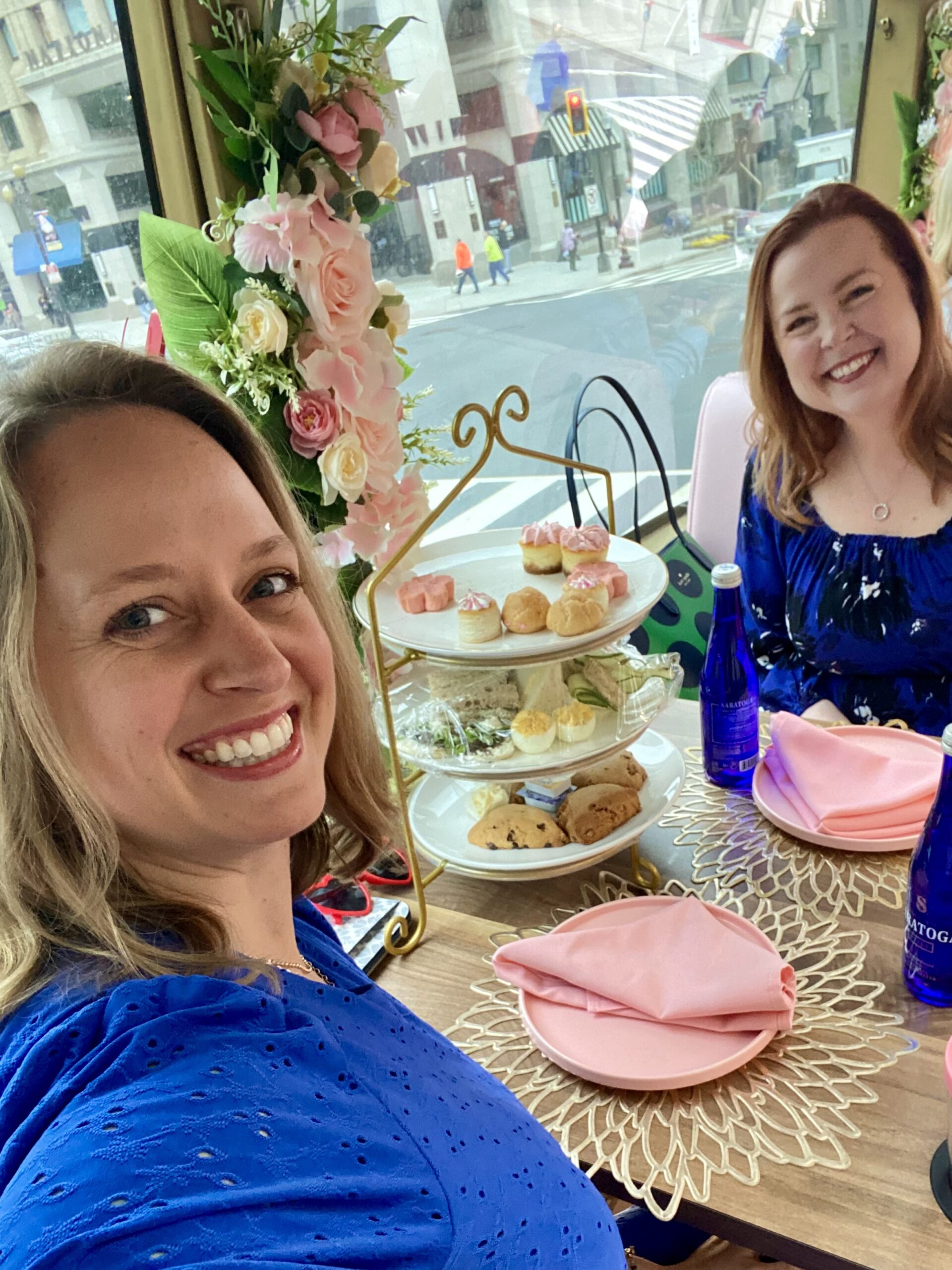
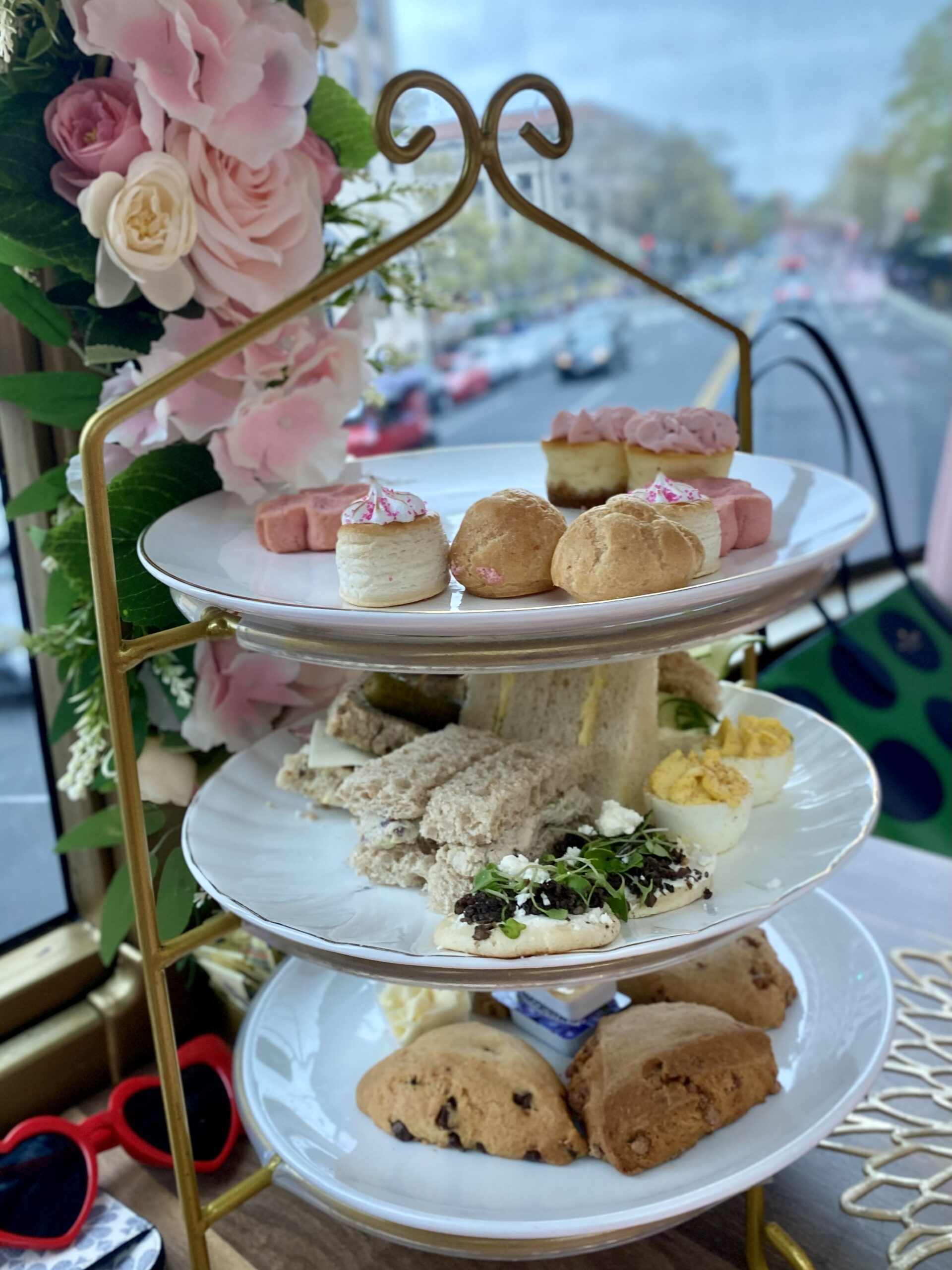
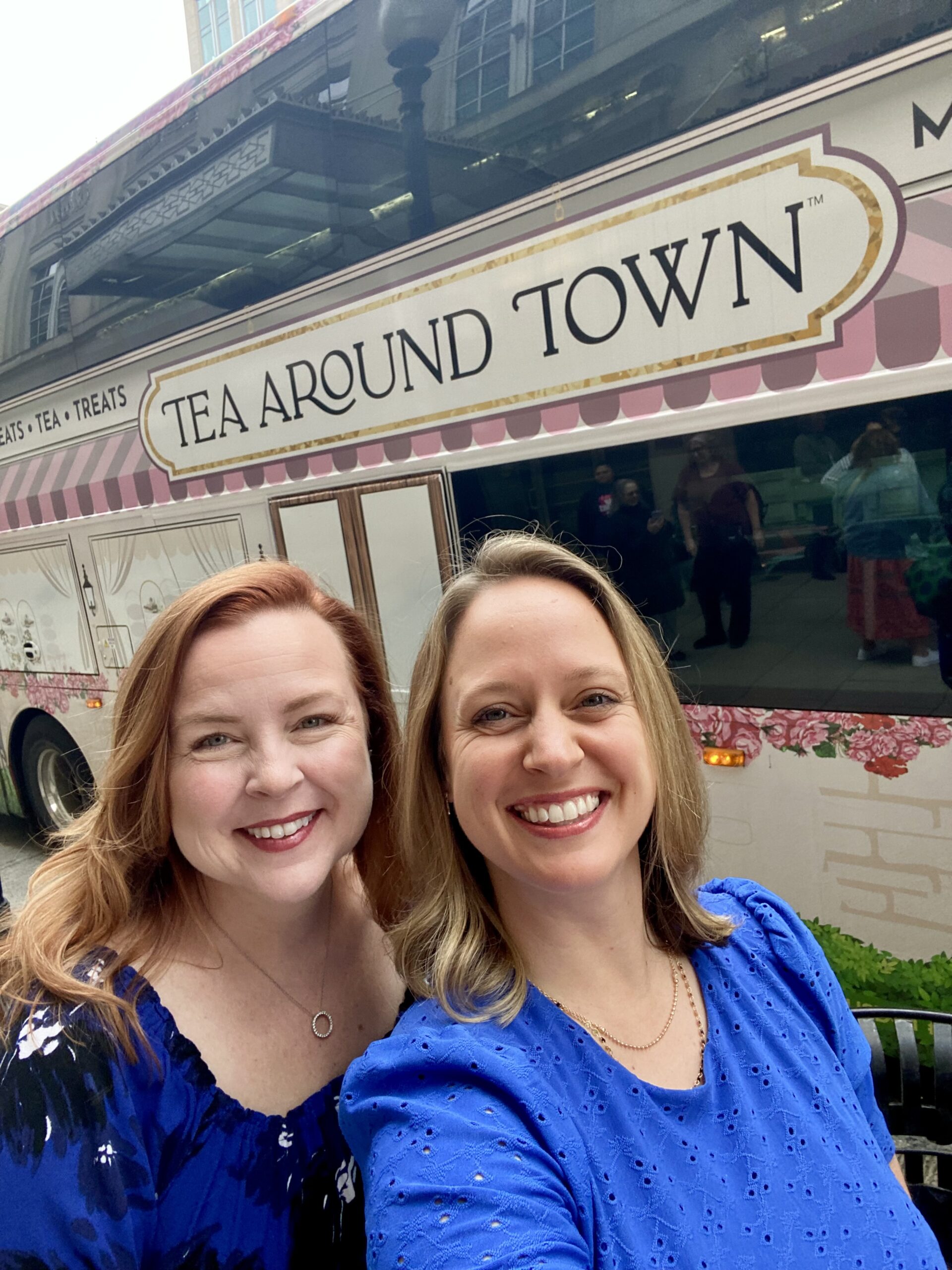
One of the most memorable parts of the trip was Tea Around Town.
A double-decker bus decorated in florals, greeting you with soft Bridgerton-style music as you step on. As the bus took us around the city and past national monuments, we were served tiered trays of pastries and desserts, along with tea in souvenir cups.
It was a calm, enjoyable way to end the trip!
Why This “Mini-Adventure” Was More Than Just a Competition Trip
This trip wasn’t just about puzzling. It became a perfect example of something we talk about often in planning intentional mini-adventures.
If you’re familiar with tools like the Big Ass Calendar concept we use, the idea is simple:
You don’t wait for life to happen. You schedule moments that bring it back into focus.
This trip checked multiple boxes at once – travel, time together, celebrating Erin’s birthday, exploring a new city, and building something around a hobby.
And you don’t have to wait for a big, extravagant vacation to reset your nervous system! You can build smaller resets into your year with weekend trips, local hobby events, or new experiences with no professional expectations attached to them.
That’s the power of intentional planning.
The Part of Burnout We Don’t Talk About Enough
At the end of all of this, here’s what really stands out: if you work in a high-stress profession, this is the part that often gets overlooked.
We tend to talk about burnout like it’s only about workload. Too many cases, too many reports, too much responsibility stacked on top of everything else.
And yes, that absolutely matters. But burnout isn’t only about workload.
It also shows up when life starts to feel a little too one-dimensional. When everything becomes work, recovery from work, and then more work. When your days start blending together because nothing in them feels different enough to break the pattern.
That’s where hobbies come in.
Not the kind that secretly turn into more work. Not the “productive” kind. The kind that exist just for you.
You see, hobbies bring back things that are easy to lose in high-stress professions – novelty, joy, a sense of identity that isn’t tied to your job title. They remind your brain: you are more than your job.
Erin’s puzzling hobby did exactly that. It had nothing to do with forensic science, deadlines, or responsibility. It was just focus, pieces, and time that belonged entirely to her.
Because at the end of the day, your career is only one part of your life. The rest of it? You have to build on purpose.


